

10 May 2026
What Differentiates Non-Stop Linehaul & Dedicated Trucking?
Discover how non-stop linehaul and dedicated trucking keep freight moving faster with smarter routes and fewer delays.
The logistics industry in Europe is under a lot of pressure with customers now demanding quicker deliveries. The costs are increasing and this, in turn, is fatiguing the drivers. They are burnt out and many times, underpaid. The International Road Transport Union has reported that Europe was missing 426,000 truck drivers in 2024, that’s up from 233,000 in 2023. If trends don’t change, Europe could have a shortage of 700,000 drivers by 2028.
What makes it worse is that the average driver in Europe is 47 years old, with a third being over 55 years old. Essentially, the average truck driver is old and continuing to age. This is a major hiccup for the logistics industry in the region and the traditional methods of having consolidation centres do not work anymore, considering the customers’ preferences for faster deliveries. Therefore, the right question is to ask how to keep the trucks moving. That’s where the concept of non-stop linehaul comes in, differentiating itself from the more traditional dedicated trucking.
What is Non-Stop Linehaul and Dedicated Trucking?

The typical driving time between two points could be much lesser than the time actually spent on the ground, including time spent on dock congestion, administrative delays, waiting hours, loading times or drivers’ mandatory resting hours. This ends up wasting a lot of time and it’s ultimately the customer who is left waiting for the shipment. That’s the reason non-stop linehaul trucking becomes very important.
Nonstop Linehaul: The Relay Race Model
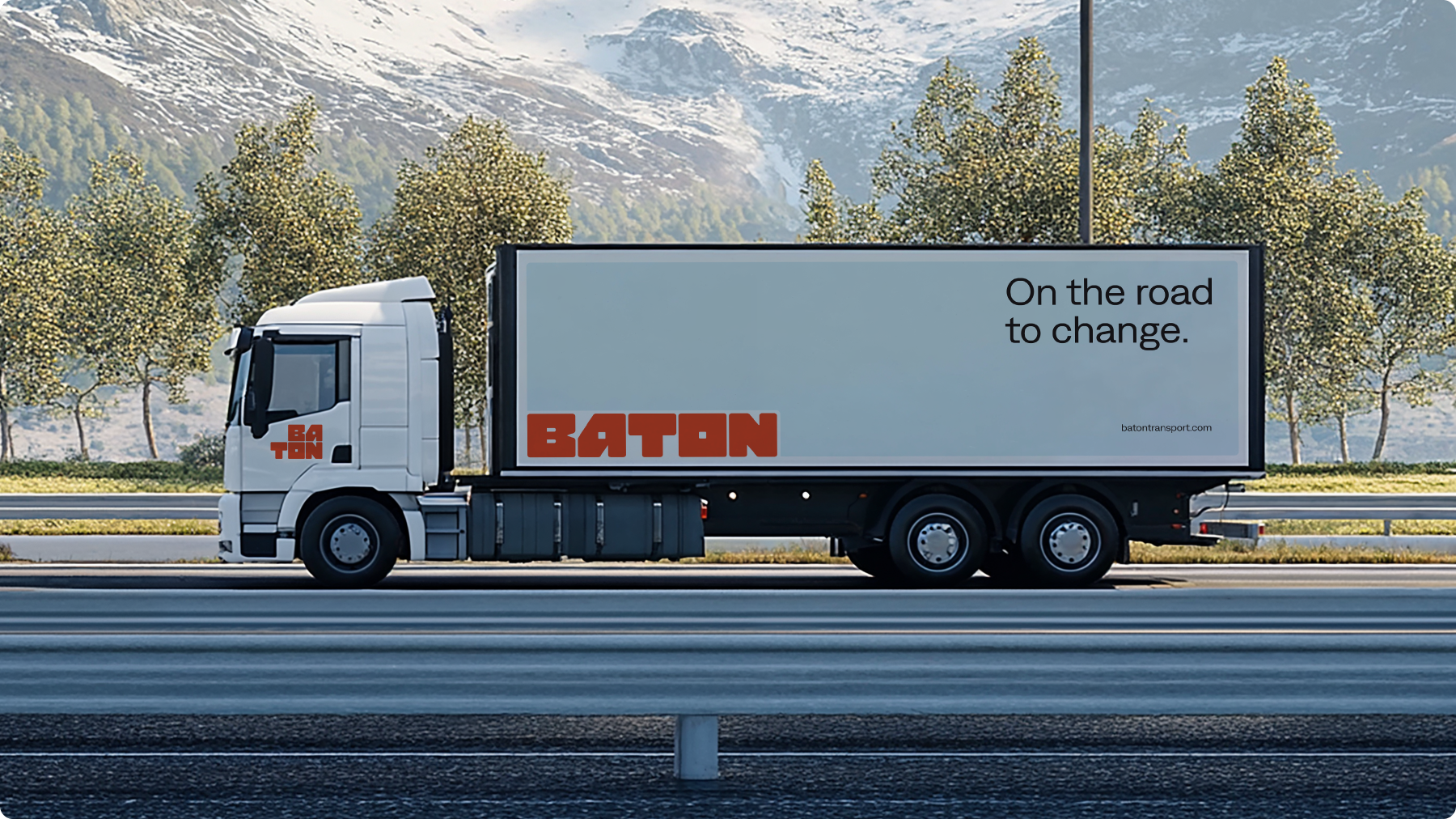
A non-stop linehaul model of trucking works in the model of a relay race. A loaded truck leaves for its destination and has planned stops. As soon as the driver hits his/ her driving limit, the truck doesn’t sit idle but is handed over to a fresh driver who is already waiting. Hence, the drivers get the mandatory rest but the shipment keeps moving, therefore saving time. This may result in significant savings in time.
However, the key here is to have a consistent volume of goods and dedicated routes, all planned meticulously. This is where the concept of dedicated trucking comes in.
Dedicated Trucking
In traditional trucking, carriers can be held down by contracts or chose to offer capacity in the spot market. Either way, carriers are not bound to use their trucking assets to a single shipper — which is where, dedicated trucking differs in scope. In dedicated trucking, the truck space and drivers are reserved for a single shipper. This gives the shipper control over the timeliness of their deliveries and a dependable supply of capacity at all times. While it does cost extra to avail dedicated trucking services, the supply chain becomes more predictable. The routes are pre-planned and therefore, more optimised. Dedicated trucking becomes especially useful when there are consistent volumes of cargo to be moved in select routes.
Plus, the driver becomes part of the team and knows the business well and the handling their shipments need. They understand the end consignee’s expectations. During times of driver shortage, this model becomes especially useful. Therefore, over time, dedicated trucking builds reliability that generic truck-hopping logistics simply can’t match.
How do Non-Stop Linehaul and Dedicated Trucking Improve Freight Eficiency?
Non-stop linehaul and dedicated trucking models save shippers time in multiple ways as mentioned below.
Time Savings by Removing Dead Time
In traditional logistics, freight loses time to things such as sitting in warehouses, docked at loading bays, being consolidated with other shipments. They could also be waiting for administrative approvals. However, with nonstop linehaul, most of it is eliminated. The shipment gets picked up and immediately gets dedicated space on a truck heading directly to its destination. Baton Transport’s relay model can make delivery times 40–70% faster than traditional methods by keeping drivers moving in shifts. Keeping trucks moving through driver rest periods also cuts downtime, which can lower fuel use and emissions during transit.
Technology is making this even better. Real-time tracking systems let drivers and dispatchers see everything that’s happening. If there’s traffic ahead, the system knows it and reroutes automatically. If there’s a faster way around, the driver takes it.
Consistent Full Truckloads
For time-sensitive freight or heavy-volume lanes between major distribution hubs, direct non-stop linehaul is most viable when shippers can regularly fill entire trailers. With dedicated trucking, trucks tend to run at a high capacity utilisation because the route and the shipment are aligned, but it still will be slower than a non-stop option.
But either way, unlike LTL, non-stop or dedicated trucks arrive faster as there’s no time wasted picking up and dropping off partial loads along the way. Less handling also lowers the risk of damage, loss, or misplacement, which can also help control shipping issues.
Dignity for Human Capital
Traditional dedicated long-haul work may mean spending nights in the truck and a lot of pressure with lack of proper food and constantly missing family. Non-stop hauling changes that via relay trucking options, where drivers work fixed shifts between fixed origin and drop offs. They can return home every day, which keeps them happier and more productive. Baton Transport operates on the relay style of nonstop linehaul where drivers work shorter shifts and pass on the truck to a fresh driver. This keeps drivers more alert and careful, thereby increasing safety and reliability.
Relay trucking helps create more dignified working conditions for drivers, who are thereby more likely to stick around, therefore ultimately solving the driver shortage crisis.
What Exactly is Required to Operationalise these System?
Nonstop linehaul and dedicated trucking are not some futuristic concepts and are already in place. However, it is important to understand what goes behind the success of these systems.
Underlying Technology
Route optimisation tools along with the use of GPS and predictive analysis helps in analysing traffic patterns, weather data and infrastructure or vehicle conditions. Therefore problems are addressed before they actually arise. Any form of rerouting or micro-level changes to the entire plan of delivery can be done in the real-time or even in the future-time. This helps speed up delivery and enhances the quality of working conditions of the drivers too. Technology can also help the shippers and the customers track their shipment, providing them visibility and control.
Better Work Conditions for the Drivers
A conducive environment can be built for the drivers by providing decent working conditions and good pay. As working conditions improve, there is a higher likelihood of retaining drivers and combat the shortage of drivers.
Dedicated drivers can also build expertise with specific cargo and equipment, which improves efficiency and job satisfaction. Repeatedly working for one customer also helps build stronger relationships and communication, making the day-to-day experience better.
As more drivers are available in the market, it would further even become easier to have non-stop linehaul and dedicated trucking services. The only challenge is to distribute the drivers according to the operational requirements such that as a driver finishes his/ her shift, the next driver is actually available at the required time at the required place.
Baton Transport as the Future of Your Logistics Needs
There are multiple inefficiencies that worked fine for years, such as consolidation delays, the multiple stops and the wait times. However, as customers’ demands and expectations change, solutions such as non-stop linehaul trucking and dedicated trucking are becoming the new normal, and these solutions matter across transportation operations.
Baton Transport plays an important role here, as it has already been running relay-based operations through the nonstop linehaul approach to support reliable service. To discover the service benefits and available resources offered by Baton Transport, click here.

Frequently Asked Questions (FAQ)
Dedicated trucking reserves trucks and drivers for one customer, giving that shipper a dedicated driving setup instead of the traditional model where cargo from multiple shippers is consolidated together. This helps in providing undivided attention to that shipper’s consignments. Additionally, trucks do not need to make halts for any other shipper’s consignments. This can improve consistency for the shipper and create a more stable job for drivers.
Non-stop linehaul trucking reduces idle time predominantly caused by driver rest periods. Combined with dedicated trucking, this model saves time by avoiding docking, idling time at warehouses or pick-up or drop-off of consignments from other shippers.
Europe is facing a severe truck driver shortage, while simultaneously facing the challeng of increasing demand for faster deliveries, therefore making reliable and predictable trucking solutions essential. This matters across local, regional, and long-distance networks because all of them are under the same labor shortage and delivery pressure.
Dedicated drivers become familiar with a shipper’s products, handling requirements, routes, and customer expectations. This experience can improve operational efficiency, reduce communication errors, and provide more consistent service. Dedicated drivers may also benefit from more predictable schedules and stronger working relationships with customers.
Non-stop linehaul reduces delays caused by driver rest periods, warehouse dwell time, and multiple shipment handoffs. By keeping freight moving through relay operations and direct routes, shipments can reach their final destination more quickly and predictably than in traditional hub-and-spoke or consolidated freight networks.