

27 May 2026
How to Build a More Predictable Transport Plan in Europe
Learn how businesses can build a more predictable transport plan in Europe by improving trucking efficiency, reducing delays, and strengthening supply chain reliability.
Trucking operations across Europe are becoming increasingly complex because of rising customer expectations, cross-border regulations, driver shortages, fuel price fluctuations, and traffic congestion. Without a predictable transport plan, businesses often face delayed deliveries, higher transportation costs, and poor inventory management.
What is a Transport Plan?
A transport plan is a detailed strategy that outlines how goods will be moved from one location to another efficiently, safely, and on schedule. It organises the key elements of the shipment process, including routes, delivery schedules, vehicle allocation, driver assignments, cargo handling, and compliance requirements.
How to Build a Transportation Planning Process That is Predictable

A predictable transport plan helps businesses reduce delays, control freight costs, and improve delivery reliability across European supply chains. With changing regulations, driver shortages, border procedures, and fluctuating fuel prices, transport planning in Europe requires strong coordination and flexibility. A strong transport plan starts with clear objectives, such as reducing delays, congestion, or emissions.
Assess Your Shipping Needs
Before you begin searching for trucking companies or reaching out for quotes, pause and think about what exactly you need. Are you shipping high-value goods, temperature-sensitive items, or bulky machinery? Protecting these goods during shipping is crucial to ensure they arrive in perfect condition. Each of these requires different types of trucks and care. For example, perishable goods will need refrigerated trucks (called “reefers”), while oversized items might need flatbeds or specialised trailers.
Also, figure out how often you would be shipping. Will you send small loads regularly or a few large shipments on a sporadic schedule? If your operations often face last-minute shipping demands, you’ll want a provider with the flexibility to accommodate that without a fuss.
Tip: In Europe, certain types of freight need to adhere to several key regulations — like the European Agreement concerning the International Carriage of Dangerous Goods by Road (ADR). Ensure your prospective trucking partner is well-versed in these to avoid regulatory headaches.
Research Potential Trucking Companies
When searching for a reliable carrier, it’s essential to research potential companies thoroughly. Start by evaluating their business model and the range of services they offer. Strong planning also depends on how well the carrier coordinates with key stakeholders such as shippers, facilities, and relevant public authorities. Look for companies that prioritize customer satisfaction, safety, and efficiency. A good place to start is their website, where you can find detailed information about their freight services, data analysis capabilities, and technology integration.
Check if they use advanced technology to track shipments and optimise routes, which can significantly enhance efficiency and reliability. Additionally, review their customer support options — do they offer 24/7 support, and are they responsive to inquiries? Industry credentials, such as certifications and awards, can also provide insight into their reputation and reliability, along with their ability to coordinate with government agencies when permits, compliance, or cross-border requirements are involved. By conducting thorough research, you can ensure that your chosen company aligns with your operational needs and industry standards.
Leverage Technology and Data Analytics
You need to gain visibility into the true costs to reduce trucking costs. Leveraging technology such as freight spend analytics allows customers access to data on routes, locations, modes, and carriers to identify trends, compare transportation options and mode choices where available, and spot potential areas for improvement.
Advanced tools can automatically calculate freight costs, including factors like tolls and fuel, to provide quick and accurate estimates for transport planning. For example, shipping data can reveal carriers or routes with high rates of damaged goods or late delivery tendencies to help you look into the true cost of shipping and identify ways to keep your freight expenses low. Better route and mode analysis can also reduce environmental impacts, including air quality concerns, by lowering unnecessary mileage and inefficient trips.
Since every shipment is different in terms of value, timeliness, and material, freight spend analysis allows businesses to select the perfect match from a variety of carriers. In addition, freight spend analysis can reveal consolidation opportunities, which help reduce road freight transport costs.
A well-thought-out freight analytics plan can help you drive your goal of increasing delivery speed, reducing freight costs, supporting sustainability goals through more integrated mode choices that lower emissions and cut localised pollution, and gaining a competitive advantage in the market.
Consolidate Freight Transportation Shipments
Consolidating smaller shipments into full loads is cheaper than shipping the same volume of product in smaller consignments. Most often, consignments only occupy half or two-thirds of a carrier, and you have to pay for the entire space. You only pay for the space your freight takes up and avoid less-than-truckload rates by consolidating shipments.
Consolidating shipments combines two or more shipments so that a larger quantity can be dispatched on the same carrier. This leverages economies of scale, ultimately reducing the cost per unit weight. There are several consolidation programs you can choose from to ensure customers receive goods on time. It includes bulking shipments by route proximity, consolidating orders from different suppliers, and seeking to partner with a third-party consolidation service provider. Businesses can identify the most cost-effective shipping approach by comparing the total costs of sending multiple shipments separately versus consolidating them. In broader planning, this works best when freight movements are coordinated with other transportation modes rather than planned in isolation.
This approach allows businesses to take advantage of bulk shipping rates. When companies consolidate their freight operations, they can significantly reduce costs. Larger shipments often incur lower per-unit shipping fees. This method is especially beneficial for those who frequently send out small packages. Efficient networks also depend on balancing freight needs with various transportation modes across the same corridors.
Smart Geolocation Reduces Empty Backhauls
Hyperlocal routing is another innovative approach that helps trucking companies reduce empty kilometers. Drivers can reduce unnecessary travel and avoid returning empty to the hub by optimising local routes. Similar location intelligence and digital tracking also improve predictability across transportation networks, much as dedicated lanes can support wider planning efficiency. In addition, territory planning helps in highlighting favourable service areas based on historical data. This helps reduce the number of trucks traveling outside of their assigned territories and ensures that backhaul opportunities are maximised within those areas.
By analysing driver performance data, carriers can shuffle drivers and allocate stops more efficiently, which not only improves delivery times but also reduces the risk of mishaps among line-haul drivers by balancing workloads and preventing fatigue.
Data Driven AI-Based Planning for Operational Efficiency
Advanced solutions, such as AI-powered forecasting tools, are designed to predict demand surges, identify route inefficiencies, and support faster responses to disruption alongside long-term strategies. These tools enable companies to make data-driven decisions for future transport planning by analysing historical trends and traffic patterns. They can also use new technologies and advanced technologies to prepare for weather disruption and other resilience risks, supporting sustainability and resilience efforts to reduce carbon footprints and protect infrastructure from extreme weather.
Among the emerging trends in line haul transportation today are the integration of AI, automation, and data analytics, which are transforming how logistics networks operate. This proactive approach helps reassign vehicles more effectively and reduce empty truck miles.
Enhanced Driver Utilization
Countless hours on the road often lead drivers to burn out, a common cause of delays and safety concerns. Transportation planners also evaluate workforce design alongside service reliability and safety outcomes.
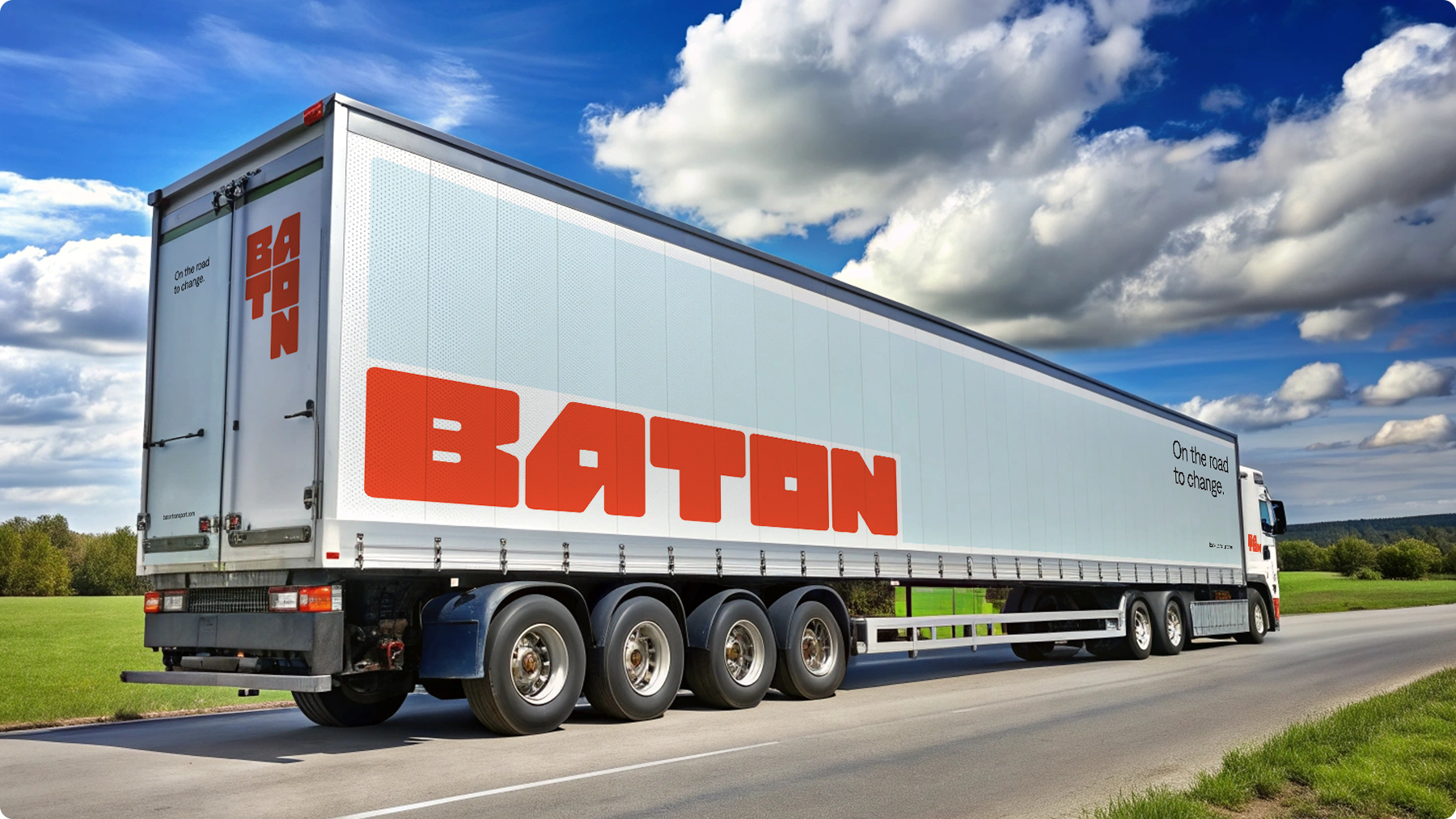
Baton Transport solves this by running linehaul operations, where drivers focus on short-distance, nonstop journeys between major terminals. The relay model that Baton pioneered in Europe ensures that long-haul cargo moves between destinations non-stop while catering to the driver`s well-being.
This model minimises idle periods and ensures that large volumes of freight, including time-sensitive goods, across Europe are delivered on time due to the non-stop trucking day and night. Predictable operations also help improve safety and support more dependable transit connections across the wider network. Well-planned operations enhance mobility, safety, and accessibility for all users, including low-income communities and disabled individuals who need reliable service.
Compliance with Regulatory Standards and Safety Protocols
Ensuring regulatory adherence is important for the chosen trucking service provider across the various jurisdictions where services are rendered. Before formalising any contractual arrangement, ascertain that the partner possesses all requisite licenses, permits, and documentation mandated by governing authorities. In modern transportation planning, compliance also covers safe coordination between freight operations and different modes in shared corridors.
Moreover, strict compliance with safety protocols is non-negotiable for the trucking company to mitigate potential risks and guarantee secure transportation and storage of goods throughout the entire journey. Compliance also entails strict adherence to documentation such as business permits, carrier authority, freight invoices, and shipping insurance.
Partner With Baton to Build a More Predictable Transport Plan in the European Union
Baton Transport uses smart routing techniques to adjust routes in real-time based on traffic conditions to achieve a more predictable transport plan, supporting more efficient transportation planning across cities and regional networks. Baton helps businesses make more informed decisions in transport planning by adopting flexible operating models and digital trucking solutions,
Major companies like DHL, DB Schenker, GLS, and more trust Baton for their freight movement. Click here to learn more about the services we offer.

Frequently Asked Questions (FAQs)
A strong implementation plan should include route optimisation, carrier coordination, compliance requirements, shipment visibility, and contingency planning. Businesses that combine data analytics with flexible transport operations can reduce delays, improve delivery reliability, and support long-term operational stability.
A predictable transport plan helps businesses lower freight costs, improve delivery performance, and reduce operational disruptions. More reliable transportation networks strengthen supply chains, improve customer satisfaction, and contribute to economic growth by helping companies scale more efficiently across European markets.
Technology improves transportation planning by providing real-time shipment visibility, freight spend analytics, AI-based forecasting, and route optimisation. These tools help businesses make faster decisions, reduce empty miles, and improve operational efficiency across European supply chains.
Freight consolidation combines multiple smaller shipments into larger loads to maximise trailer space and reduce per-unit shipping costs. This approach improves efficiency, lowers less-than-truckload expenses, and helps businesses build a more predictable and cost-effective transport operation.